


Adapting video games into films has always been a daunting task. Hollywood’s track record with such adaptations is checkered at best, with many projects falling short of fan expectations or failing to capture the essence of the game that inspired them. But amidst this challenging landscape, there are shining examples of creators who approach adaptations with heartfelt passion and meticulous care. Eddie LeBron is one such filmmaker. With his fan films “Mega Man” and “Sonic the Hedgehog,” LeBron has demonstrated that it’s possible to honor gaming’s beloved worlds while creating compelling cinematic experiences.
The Challenges of Adapting Video Games to Film
Adapting a video game into a film comes with its unique set of challenges. Unlike books or comics, video games are an interactive medium. Players engage with the story firsthand, often shaping outcomes through their decisions. Translating that immersive experience into a more passive format like film can result in creative struggles, such as figuring out how to keep the core narrative engaging and recognizable to fans.
There are also high-stakes expectations from devoted fanbases. Gamers often have deep emotional connections to their favorite characters, and any deviation from the original concept can feel like a betrayal. On top of that, the technical aspects of reimagining iconic game visuals in cinematic form can be daunting, especially when working with limited resources or budgets.
Eddie LeBron’s Blueprint for Success
Eddie LeBron’s success in the realm of video game adaptations is a testament to his unwavering dedication to the source material and his understanding of what fans truly value. Through “Mega Man” and “Sonic the Hedgehog,” LeBron provided a masterclass in balancing fidelity to the original games with unique storytelling. Here’s how he got it right:
Staying True to the Source Material
LeBron’s “Mega Man” fan film captures the heart of Capcom’s iconic franchise, from its vibrant characters to its action-packed narrative. Eddie ensured that fans of the game would immediately feel at home while watching his adaptation. From detailed costumes mirroring the game’s aesthetic to a faithful recreation of Mega Man’s essence, the film felt like a love letter to the series.

Similarly, “Sonic the Hedgehog” succeeded by respecting the franchise’s quirky charm. Voicing Sonic was none other than Jaleel White, who brought the character to life in the 1990s animated series. This brilliant casting choice not only resonated with nostalgic fans but also reinforced Sonic’s cheeky, lovable persona.

Balancing Fan Expectations with Creative Storytelling
LeBron understood that filmmaking is not about copying a game frame-by-frame; it’s about translating its spirit. While fans appreciate visual and narrative accuracy, they also want a story with emotional depth and cinematic flair. LeBron struck this delicate balance by adding layers to the narrative without straying too far from the games’ original themes.
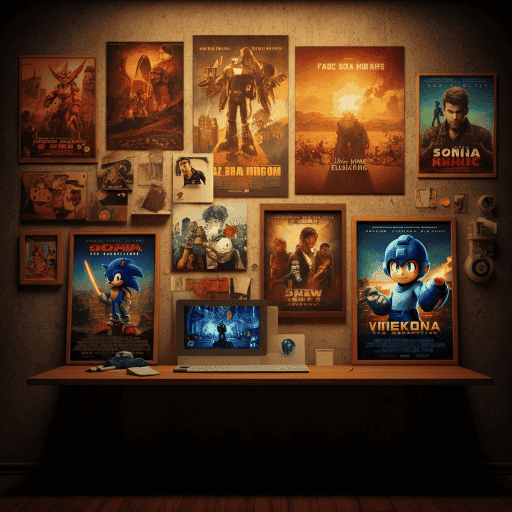
For instance, in “Sonic the Hedgehog,” Eddie amplified the emotional stakes while maintaining Sonic’s playful tone. This approach made the story relatable for both diehard fans and newcomers unfamiliar with the franchise.

Overcoming Technical and Creative Obstacles
One of the most impressive aspects of LeBron’s films is his ability to deliver high-quality visual effects and production value despite working with modest budgets. “Mega Man,” for example, seamlessly combined live-action performances with CGI elements, staying true to the futuristic vibe of the game while pushing the boundaries of indie filmmaking.
LeBron’s ability to improvise, innovate, and inspire his team reflects a lesson for all aspiring filmmakers. With limited resources, creativity becomes your best ally.

Lessons for Aspiring Filmmakers
If you’re an aspiring filmmaker considering a video game adaptation, Eddie LeBron’s work offers some essential takeaways:
-
Do Your Homework: Immerse yourself in the source material. Understand its story, themes, and characters inside and out. Consider what makes these elements resonate so profoundly with fans.
-
Collaborate with Fans: Engage with the gaming community to gauge what they love most about their favorite franchises. This will help you identify the non-negotiables for your adaptation.
-
Strike a Balance: While authenticity is crucial, it’s equally important to bring your own creative vision to the table. Fans appreciate fresh takes when they complement, rather than detract from, the original story.
-
Be Strategic with Resources: High-quality visuals don’t always require blockbuster budgets. Utilize practical effects, clever editing, and resourceful production techniques to create an immersive world.
-
Test Your Vision: Experiment by creating short proof-of-concept films or scenes. These smaller projects can help you refine your vision and pitch full-scale films more effectively.
The Evolution of Video Game Adaptations
Thanks to filmmakers like Eddie LeBron, the perception of video game adaptations is shifting. Once considered niche projects or doomed-to-fail endeavors, video game films are now evolving into respected art forms. LeBron’s thoughtful approach and attention to detail showcase how these adaptations can both honor their origins and stand on their own as cinematic experiences.
The Evolution of Video Game Fan Films: A Look at Eddie Lebron’s Contributions
Discover Your Adaptation Potential
Have a favorite video game you’d love to see on the big screen? Or maybe you’re toying with the idea of turning your favorite title into a fan film of your own?
Take my fun quiz before you go!
Final Thoughts
Eddie LeBron’s work demonstrates the boundless opportunities for video game adaptations when filmmakers approach them with love, respect, and creativity. Whether you’re an aspiring creator or a longtime fan, the next great adaptation might just be waiting for you to bring it to life.
What game would you adapt if you could? Share your thoughts in the comments—I’d love to hear about your dream project!