

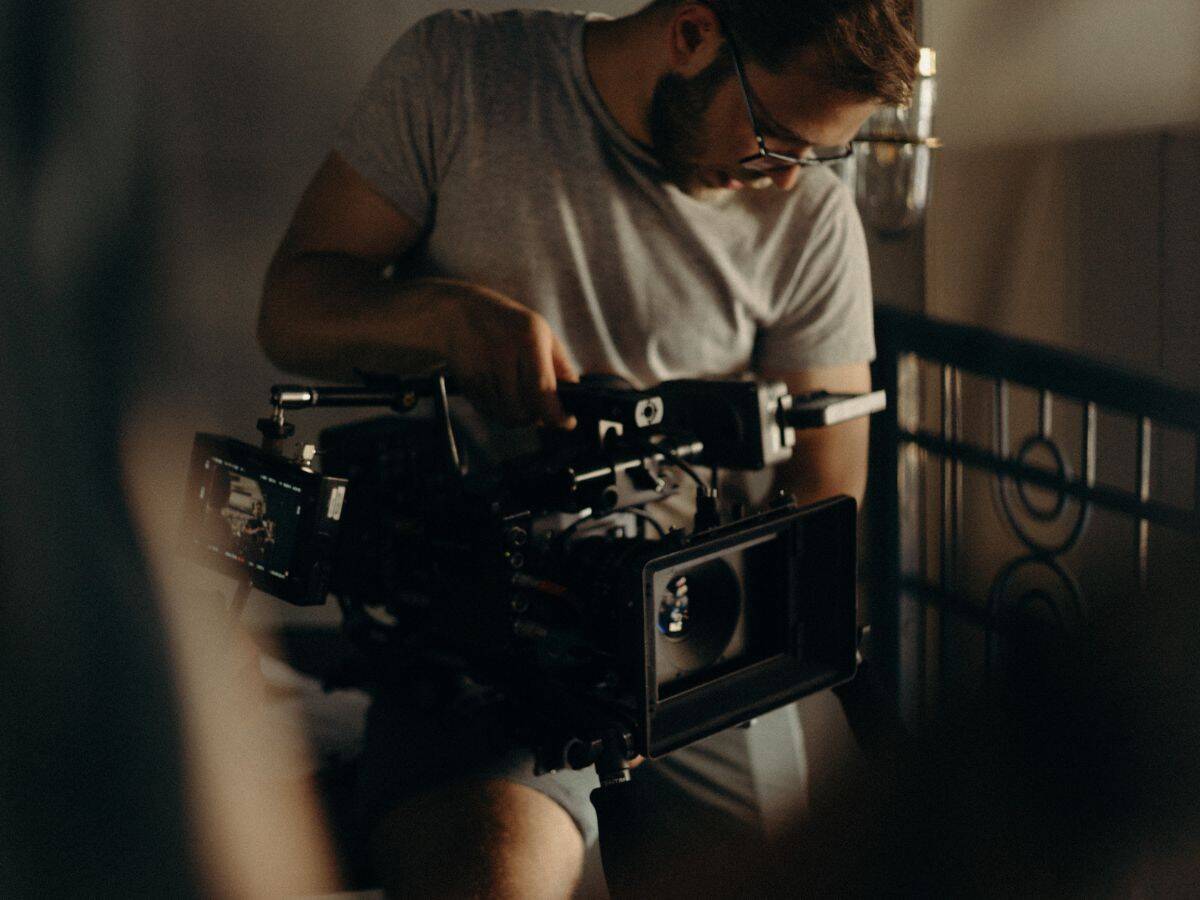
Diving into videography for the first time can feel overwhelming, but with the right guidance, anyone can learn how to create visually compelling videos. This detailed guide is designed specifically for beginners, breaking down everything you need to know to get started. From choosing your first camera and understanding essential equipment to mastering simple shooting techniques, you’ll find practical insights at every step. Whether you’re aiming to capture memorable family moments or embark on your filmmaking journey, these foundational tips will help you shoot great videos with confidence and creativity.
Introduction to Videography Basics: Essential Concepts for Beginners
Diving into videography basics is the first step toward producing videos that truly stand out. Understanding beginner videography means grasping how cameras, gear, and techniques work together to create dynamic footage. For beginners eager to record memorable moments or start a creative journey as videographers, it’s essential to recognize the overlap between photography and video, with each discipline offering unique tips and tools.
Whether you’re shooting with your first video camera or learning manual focus, this guide covers the foundation you need. With the right approach, anyone can begin building the confidence and knowledge required for successful video production projects.
Exploring the Tools and Techniques that Define the Art of Video
Venturing into videography basics requires an understanding of the primary tools and essential techniques that shape every project. Cameras are at the heart of solid video production, choosing the right camera or video camera depends not only on your budget but also the types of video you plan to shoot. For most beginners, starting with an entry-level camera or even a smartphone helps you learn fundamentals like focus and shooting, while still producing impressive videos. Manual focus is a game-changing skill for videographers; achieving sharp focus allows your footage to look professional, even when you’re just starting out.
Quality gear enhances every aspect of video production. From affordable tripods to simple lighting kits, the right equipment helps stabilize shots and improve clarity. Understanding how to use your gear efficiently, whether adjusting the focus on a lens or testing camera settings, translates to better footage every time you press record. Don’t overlook the parallels between photography and videography either; both require a keen eye for composition and lighting.
As you progress, gather practical tips from guides and experienced videographers, experimenting with step-by-step techniques to elevate your work. The journey from beginner to confident creator starts with mastering these foundational concepts, setting you on the path to producing compelling, professional-quality videos.
Mastering Frame Rate: Creating the Look and Feel of Your Video
Choosing the right frame rate is a crucial step in videography, shaping both the style and emotion of your finished videos. A well-selected frame rate, balanced with the correct shutter speed and effective use of manual focus, can transform your footage from amateur to cinematic. By understanding how frame rate interacts with video mode and other camera settings, beginners can confidently create different looks, from smooth slow-motion shots to crisp, real-time sequences. This guide explores essential tips and practical insights to ensure you fully grasp the impact of frame rate on your video production journey and develop the creative tools for compelling visual storytelling.
Practical Tips for Choosing the Right Settings for Your Project
When it comes to shooting professional-looking video, selecting the right frame rate is often what separates average footage from stunning, cinematic production. For beginners, start by considering your project’s style, are you aiming for dramatic, film-like sequences or do you want to capture action in crisp detail? For a classic cinematic look, set your camera to 24 frames per second (fps) in video mode. This frame rate creates natural motion blur and is often paired with a shutter speed that’s double your frame rate, such as 1/48s or 1/50s, to achieve that smooth, lifelike movement.
If you’re capturing fast-moving action, like sports, bumping up to 60 fps creates sharper, more detailed footage. Always balance your shutter speed with your chosen frame rate, as this pairing influences how motion appears, too slow and your video looks jittery, too fast and it appears unnaturally crisp. Don’t forget to use manual focus for critical sharpness, especially during high-speed shots. Experiment with different gear and settings as you follow these tips; each project is a chance to learn and adapt your approach.
With thoughtful consideration of frame rate, shutter speed, and focus, you’ll have the creative control to bring your videography vision to life. Curious to explore more? Check out the next step in our guide for practical tips on camera movement that can further elevate your video production!
Camera Movement in Cinematic Storytelling
Camera movement is a cornerstone of cinematic storytelling that transforms static footage into immersive, engaging videos. By intentionally moving the camera during shooting, videographers can guide the viewer’s focus, evoke emotion, and amplify key moments in the narrative. From simple pans and tilts to more complex tracking or handheld shots, understanding camera movement strategies is crucial for anyone looking to create visually captivating video production.
For beginners and experienced videographers alike, learning how to employ dynamic shots adds energy to your footage and builds a stronger connection with the audience. The following guide dives into the impact of dynamic shots on visual engagement and narrative power.
How Dynamic Shots Enhance Visual Engagement and Narrative
Dynamic shots are among the most powerful tools at a videographer’s disposal, offering an immediate way to elevate footage beyond the ordinary. When you move the camera intentionally during shooting, whether it’s a smooth tracking shot, a dramatic dolly in, or an expressive handheld movement, you create an unspoken dialogue with viewers. This step not only adds depth and texture to each scene, but it also directs the audience’s focus exactly where you want it, making pace and emotional cues clear.
For beginners, experimenting with camera movement helps transform simple videos into dynamic visual stories, breathing fresh life into narrative structure. It’s these deliberate choices, born from a solid guide and reliable tips, that allow your production to stand out, no matter the gear at hand. While mastering dynamic shots might seem daunting, starting small and learning the basics gives you practical experience that you can build on with every project.
By integrating thoughtful camera movement into your shooting, you can enhance visual engagement, strengthen the narrative thread, and create videos that audiences remember. If you’re looking to take your production skills to the next level, keep honing your ability to use dynamic shots to tell more compelling, visually rich stories that truly connect with viewers.
Building a Solid Foundation: Why a Tripod Matters
Every successful video production begins with a stable foundation, and that foundation is almost always a tripod. Whether you’re a beginner just learning the basics or an enthusiast looking to capture professional-quality footage, using the right stabilization equipment is essential. A tripod isn’t just another piece of gear; it’s a game-changer that helps maintain focus, minimizes camera shake, and enables you to achieve sharp, cinematic shots. As you explore video production step by step, investing in the right gear ensures your shooting stays steady. Upgrading your setup with proper stabilization techniques can make all the difference in your videos, setting you on the path to clean, polished results you’ll be proud to share.
Stabilization Techniques for Sharper, More Professional Video
Mastering stabilization is key to creating videos that look polished, natural, and engaging. Beginners often overlook the power of a quality tripod, but it instantly elevates shooting by eliminating unwanted camera movement.
Using a tripod allows you to focus on precise composition and smooth motion, which is vital for professional video production. Proper stabilization techniques, like balancing your camera on the tripod, using a remote shutter or timer, and avoiding extending the tripod’s center column too high, help maintain sharp footage throughout every shot. These methods reduce the risk of shaky videos that can distract your audience and make video editing much easier later on.
Beyond the basics, exploring other gear such as monopods or handheld gimbals expands your toolkit for different shooting environments, from steady interviews to dynamic outdoor scenes. Even with advanced cameras, stabilization remains crucial at each step of your guide to video production.
Think of stabilization as both a technical step and a creative asset, it frees you to experiment with different angles, maintain consistent focus, and unlock cinematic effects, from smooth pans to locked-off shots. Prioritize stabilization, integrate it into your workflow, and your footage will consistently exceed beginner standards, setting your productions apart as you grow your skills and confidence.
Next Steps in Video Creation: Downloadable Checklists for Aspiring Filmmakers
Now that you’ve built a solid foundation through camera basics, composition, gear selection, and stabilization tips, it’s time to take a practical step forward in your videography journey. That’s where dedicated checklists come into play. Downloadable checklists transform complex video production tasks into organized, actionable steps, ensuring beginners never miss a vital detail when they create or record their videos. Each checklist is designed to guide you through the entire process, from pre-production planning, like storyboarding and gear preparation, to setting up your shots and capturing high-quality footage.
Beginners can streamline every production by referring to these essential tools before, during, and after shooting, helping keep stress low and creativity high. As you begin to record and organize your videos, use these guides to verify camera settings, lighting, audio, and movement techniques outlined previously, maximizing the impact on your final footage. Don’t just create, produce videos with confidence and clarity using these invaluable checklists. Download your videography checklists and take the next step towards capturing outstanding footage, one tip at a time.
With the right foundation, tools, and a willingness to learn, you’ll see rapid improvement in your videos. Remember to experiment, watch films for inspiration, and don’t hesitate to revisit this guide whenever you need a refresher. Start capturing moments today, each project will sharpen your skills and boost your confidence. For more in-depth tips, download our beginner’s guide or join our community of film enthusiasts and stay inspired. Happy shooting!